
Hato Hone St John, LifeBeat Mini, PR
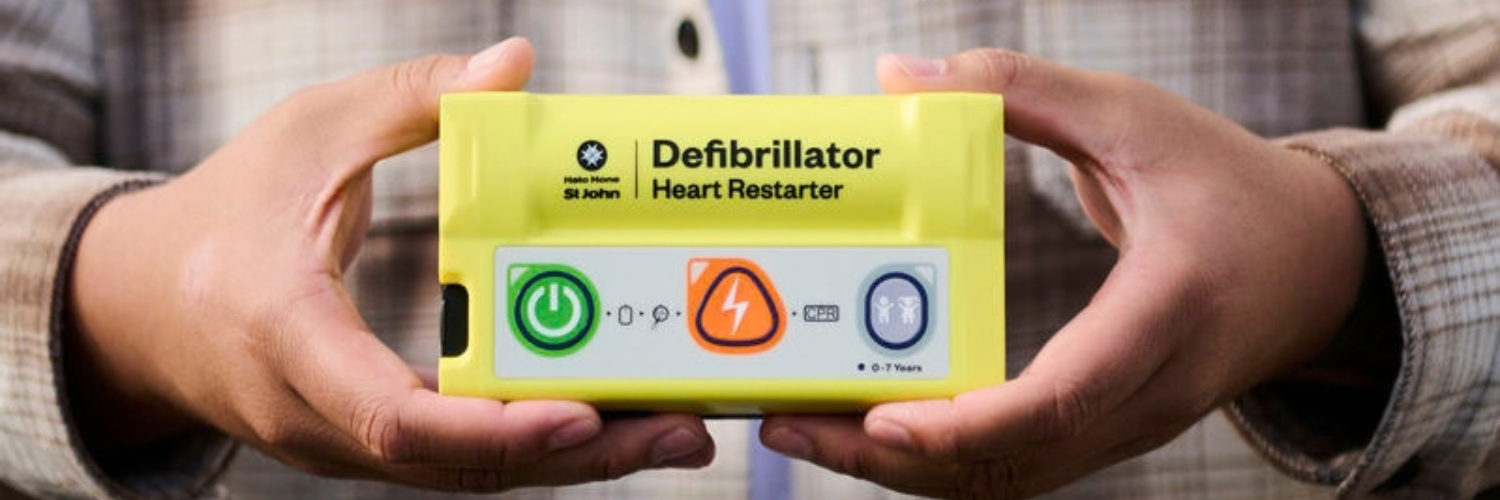
The safe plan was a narrow trade story. Hato Hone St John asked the braver question: what if this belonged to everyone? We backed the call and put the whole play behind one wide-hearted national story, timed to land the week after the launch advertising, so paid built the frame and earned filled it with the one thing advertising cannot buy: a journalist choosing to tell your story.
The insight, named: this wasn't a product being announced. It was a gap being shown to the country, the space between a cardiac arrest and help arriving, and the thing that closes it. Every LifeBeat Mini in a glove box is community benefit you can hold.
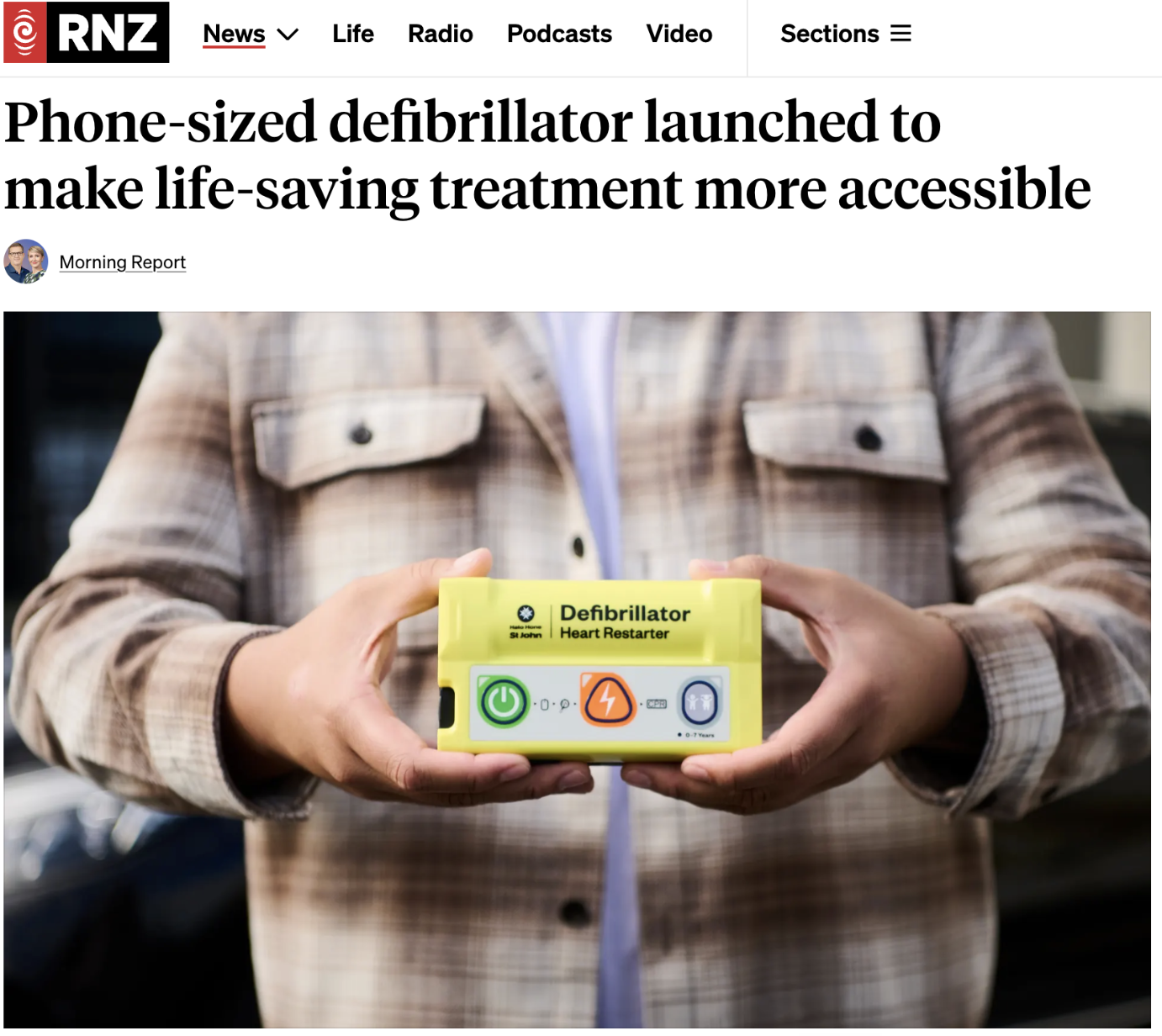
RNZ's Morning Report, consistently ranked among New Zealand's most trusted news sources, set the agenda before eight in the morning. By the six o'clock news it had run everywhere from national television to community papers from the Waikato to the West Coast. National scale with genuine regional voice, inside a single news cycle. That is health and wellbeing PR doing its real job: shifting what a community believes it can do.
WHAT HAPPENED
Ten pieces of coverage in a single day, reaching more than 300,000 New Zealanders. Earned media value of more than four times the campaign investment. Every headline positive or straight factual.
To find out more about how Good Gravy can do good by you, contact us here.